
Spotlight
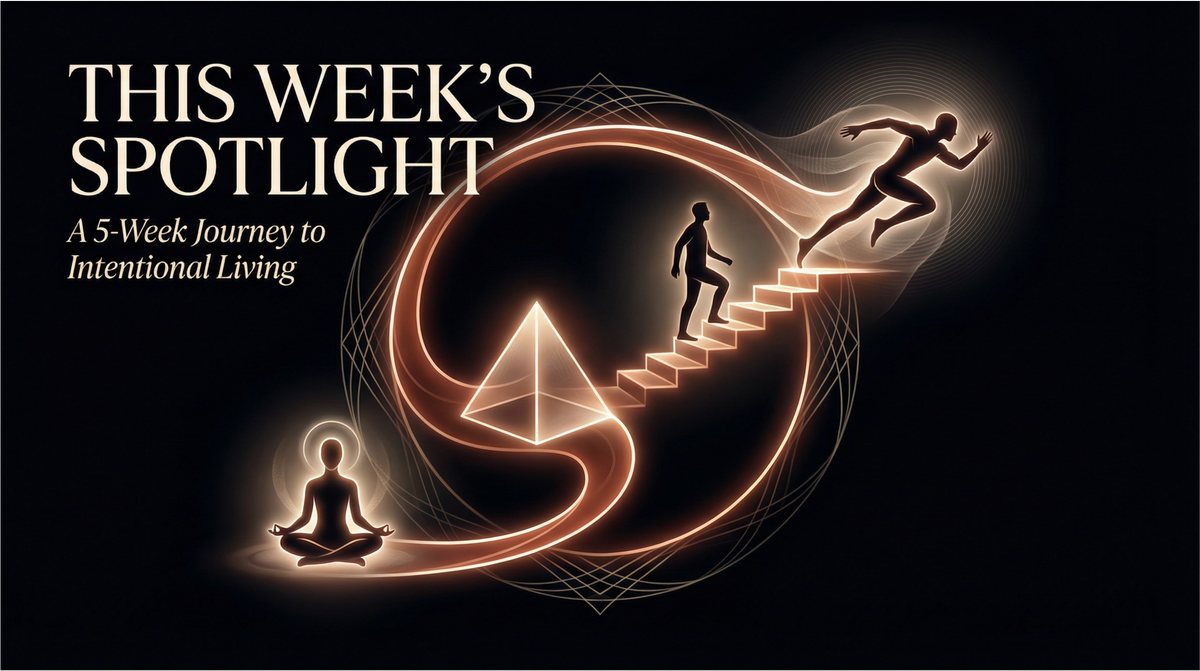
One principle. One week. One practice at a time.
Each week, this page focuses on one of the five Stoic principles — a deeper insight, three practical exercises, and a reflection prompt to carry through your days.
The spotlight rotates through all five principles over five weeks, then begins again. Philosophy isn't a one-time read. It's a practice that deepens with repetition.
Scroll to find the current week, or explore all five below.
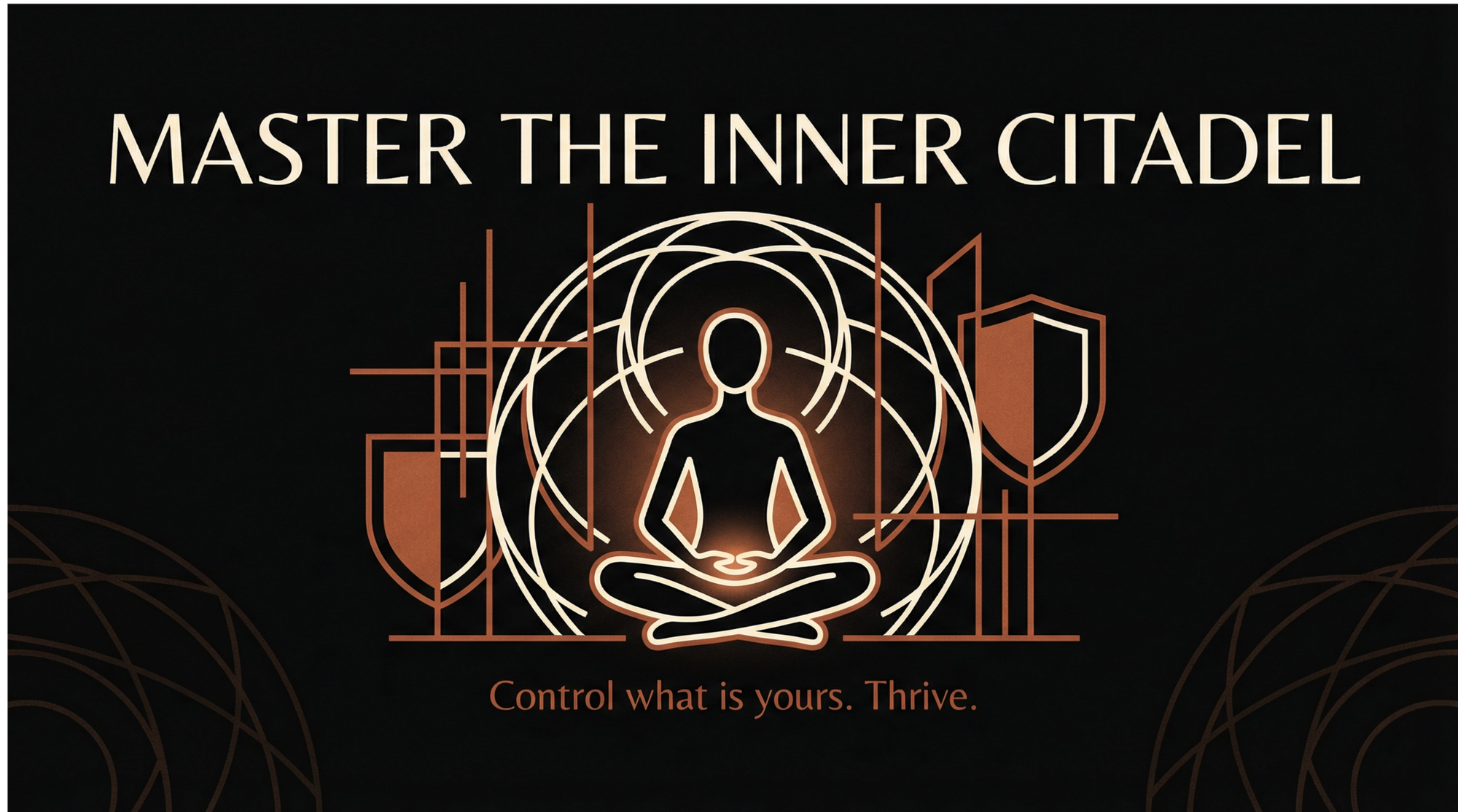
Week 1 — Master the Inner Citadel
Focus on the only thing you truly own: your inner response to the world.
"You have power over your mind — not outside events. Realize this, and you will find strength."
— Marcus Aurelius
Deeper Insight
The Stoics built their entire philosophy on one foundational insight: some things are in our power, and some are not. Our thoughts, intentions, efforts, and values are ours. Everything else — wealth, reputation, the opinions of others, the outcomes of events — is not.
When we confuse what is ours with what is not, we become slaves to circumstance. When we reclaim our inner territory, we become truly free. This is your inner citadel — the one place no external force can reach. This week, practice returning to it.
This Week's Exercises
1. The Dichotomy of Control (10 minutes)
Spend 10 minutes identifying three current challenges. For each, write down what is within your control (your thoughts, efforts, values) and what is not (others' opinions, outcomes, external events). Focus your energy only on what you control.
2. Pause and Respond (Throughout the day)
When faced with a frustrating situation today, pause for 5 seconds before reacting. Ask yourself: "What is my best response here?" This creates space between stimulus and response — the seat of your freedom.
3. Evening Reflection (5 minutes)
Before bed, reflect on three moments today where you successfully maintained your inner composure. Write what you did and how it felt. Celebrate these victories of character.
Reflection for the Week
This week, notice how often you waste energy trying to control what you cannot. Each time you redirect that energy inward, you strengthen your inner citadel.
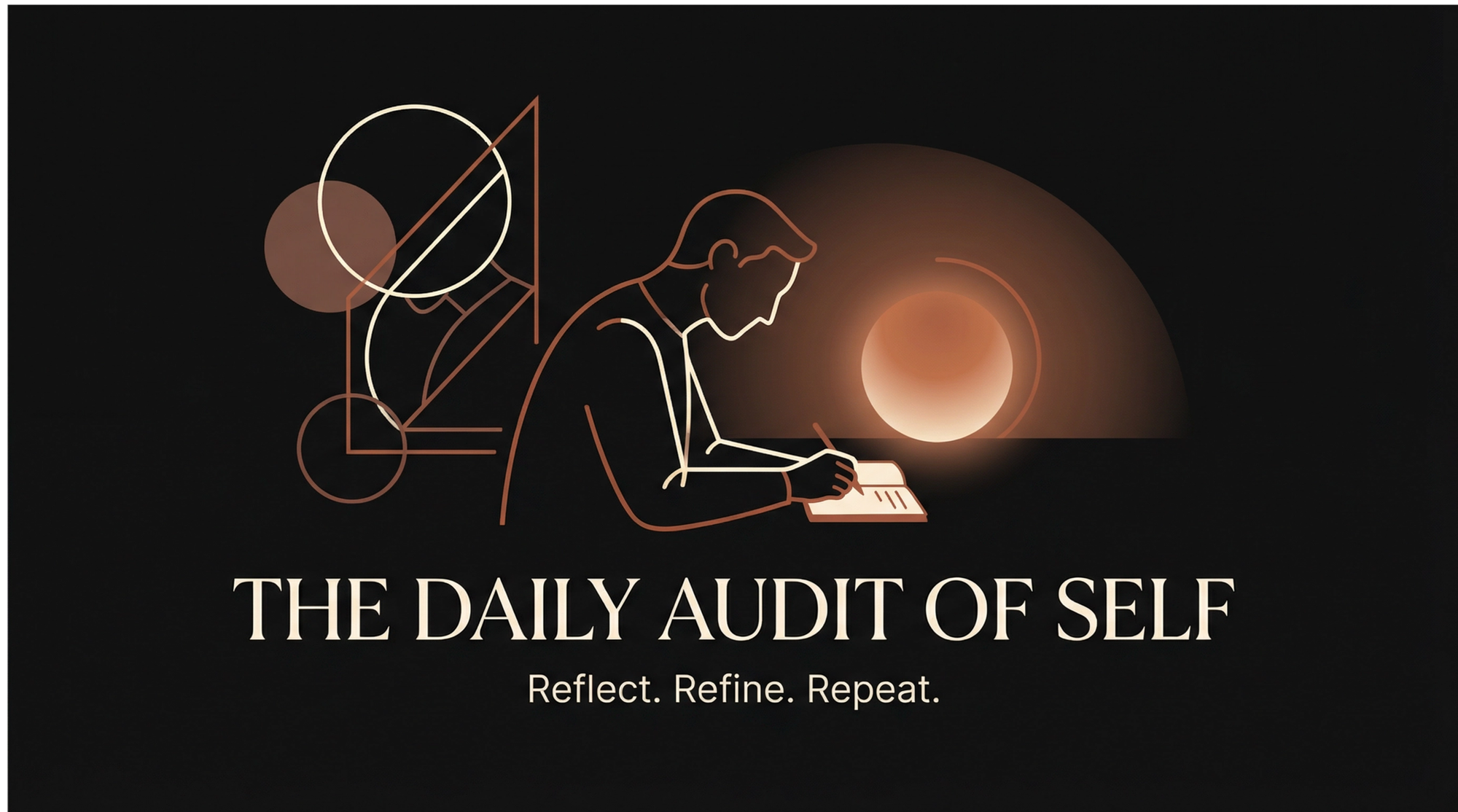
Week 2 — The Daily Audit of Self
Reflect daily on your actions, intentions, and alignment with your values.
"First say to yourself what you would be; and then do what you have to do."
— Epictetus
Deeper Insight
The daily audit is not about perfection — it's about awareness. Each honest reflection strengthens your capacity to live intentionally.
Marcus Aurelius kept his Meditations as a private daily self-examination. Epictetus taught his students to review each evening what they had done well, where they had fallen short, and what they would do differently. This practice is not self-criticism — it is self-knowledge. And self-knowledge is the foundation of every meaningful change.
This Week's Exercises
1. Morning Intention Setting (3 minutes)
Each morning, spend 3 minutes asking: "What virtues do I want to embody today? What challenges might test me? How will I respond with wisdom?" Write your answers.
2. Midday Check-in (2 minutes)
At lunch or midday, pause for 2 minutes. Review your morning: Did you act according to your values? Where did you struggle? What can you adjust for the afternoon?
3. Evening Examination (10 minutes)
Spend 10 minutes reviewing your day: Where did you embody your values? Where did you fall short? What one pattern are you noticing? Be honest but compassionate — the goal is awareness, not self-criticism.
Reflection for the Week
Words become works. Move forward, move onward.
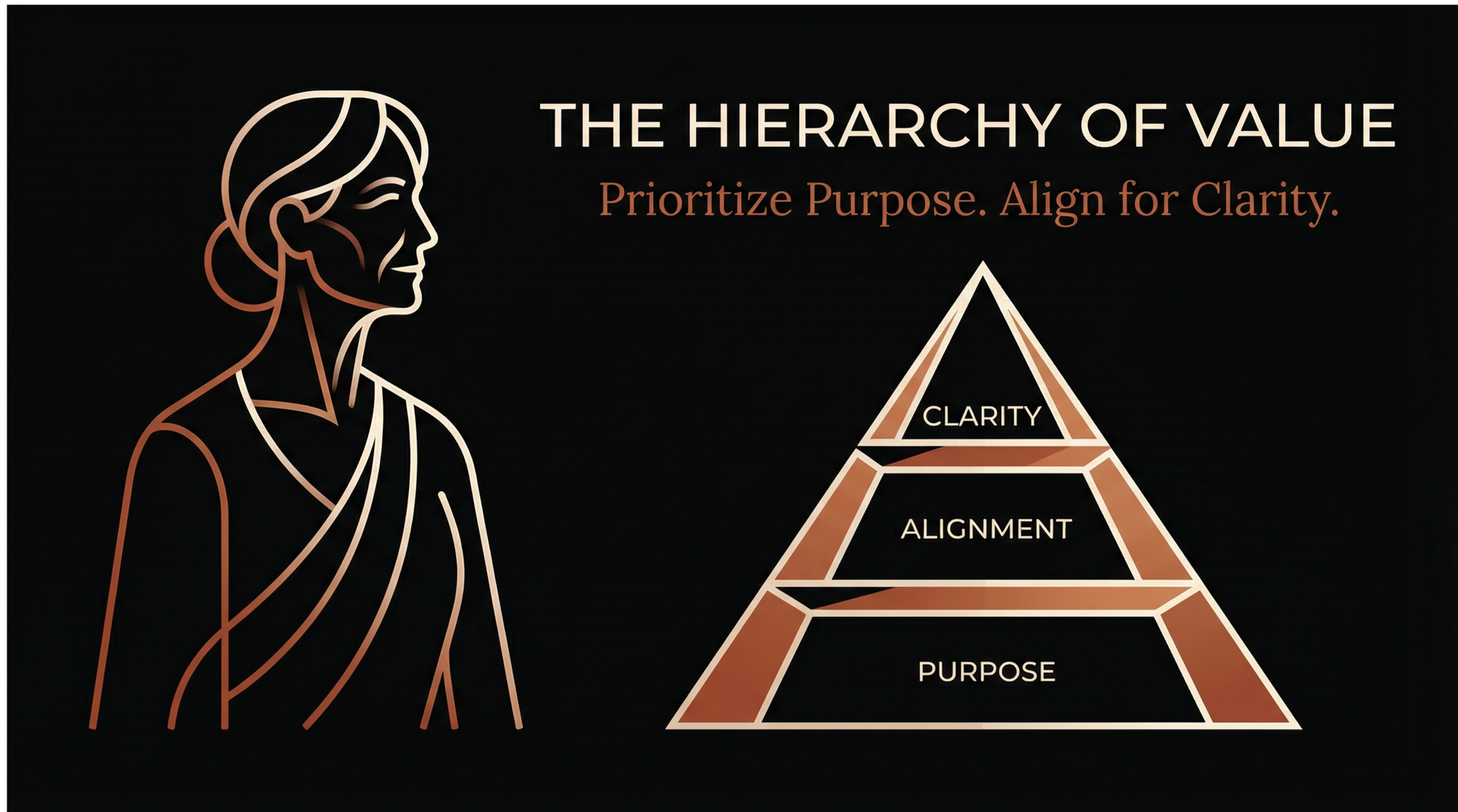
Week 3 — The Hierarchy of Value
Distinguish between what truly matters and what merely distracts.
"Make the best use of what is in your power, and take the rest as it happens."
— Epictetus
Deeper Insight
Without a clear hierarchy of values, we are at the mercy of every demand, distraction, and urgency that crosses our path. The Stoics distinguished between things of genuine value — virtue, wisdom, meaningful relationships — and things of lesser value: status, comfort, approval.
This distinction is not about rejecting the world. It is about seeing it clearly. When you know what you value most, every decision becomes simpler. You stop being reactive and start being intentional. Your values become your compass.
This Week's Exercises
1. Values Clarification (20 minutes)
Write down your top 5 values (e.g., family, health, learning, integrity, creativity). For each, describe why it matters to you. This clarity becomes your compass.
2. Time Audit (15 minutes)
Track how you spent your time yesterday. Categorize activities by your values. Are your hours aligned with your values? Where are the gaps? What will you change?
3. The 'No' Practice (Ongoing)
Identify one distraction or obligation that doesn't align with your values. Practice saying "no" to it this week. Notice how this protects your time for what matters.
Reflection for the Week
Every "yes" to something unimportant is a "no" to something that matters. This week, let your hierarchy of values guide your choices.
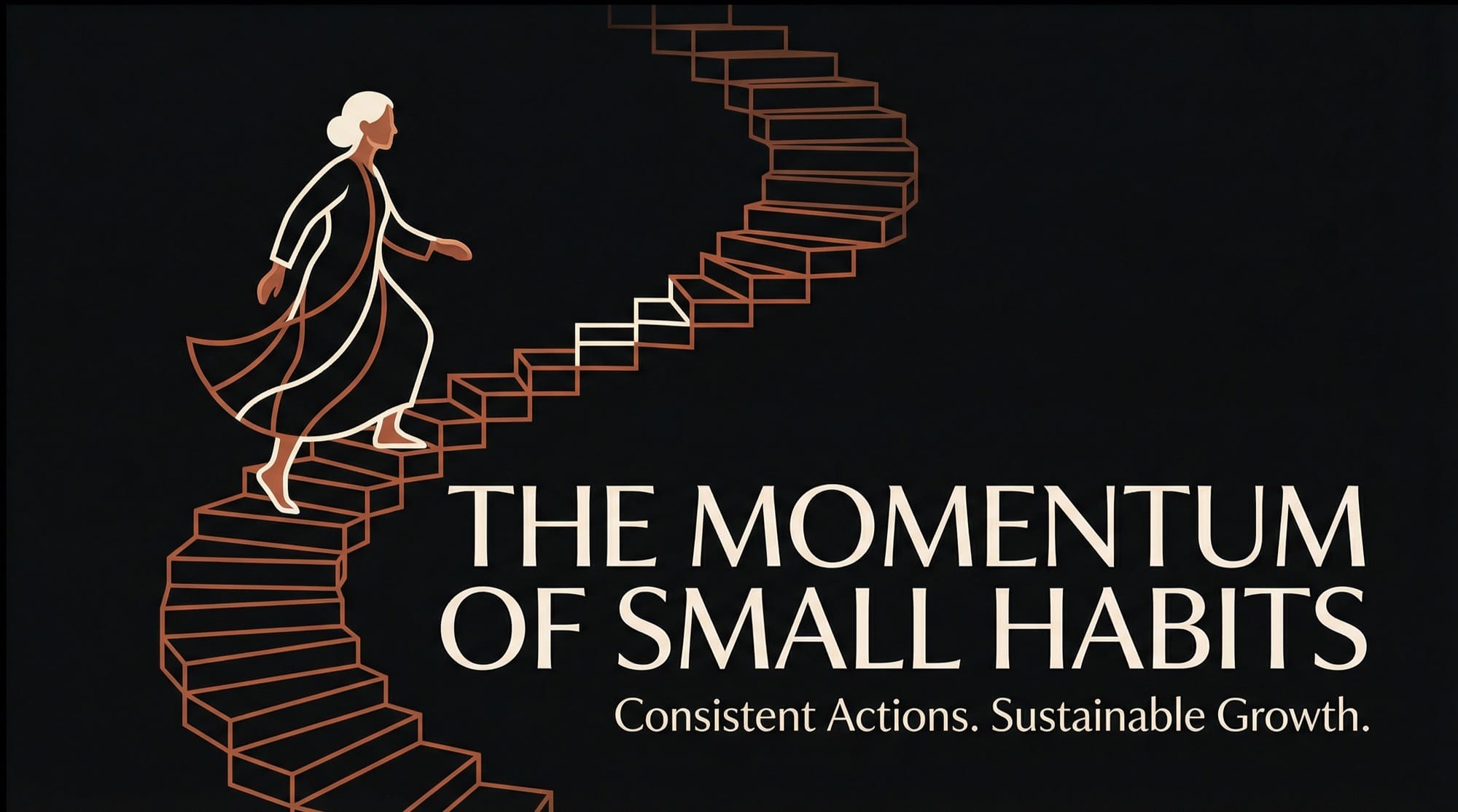
Week 4 — The Momentum of Small Habits
Recognize that lasting change emerges from consistent, small actions.
"Wellbeing is achieved by human beings through some kind of excellence, and that excellence comes through habit."
— Aristotle (Stoic influence)
Deeper Insight
The Stoics knew that philosophy is not mere theory — it's a practice. Just as an athlete builds strength through daily training, we build character through consistent habits. Small actions compound over time. A 10-minute daily reflection becomes profound wisdom over months. A daily walk becomes vibrant health over years.
This principle transforms the overwhelming into the achievable.
This Week's Exercises
1. One Small Habit (5–30 minutes daily)
Choose one small habit aligned with your values (5-minute meditation, a daily walk, journaling). Commit to it for 21 days. Track your progress. Notice how small consistency builds momentum.
2. Habit Stacking (Planning: 5 minutes)
Attach your new habit to an existing routine. For example: "After my morning coffee, I will journal for 5 minutes." This makes the habit easier to remember and sustain.
3. Celebrate Progress (2 minutes weekly)
Each week, acknowledge your consistency. You're not aiming for perfection — you're building momentum. Small wins compound into transformation.
Reflection for the Week
You don't need to transform overnight. You need to take one small action today, and then again tomorrow. That's how lasting change happens.

Week 5 — The Urgency of Action
Don't defer meaningful action. Move from comfort of theory and get actively involved.
"Waste no more time arguing what a good man should be. Be one."
— Marcus Aurelius
Deeper Insight
The Stoics were not passive philosophers. They emphasized that wisdom without action is empty. Epictetus taught that we must take responsibility for our lives. Seneca warned against endless study without practice. This principle cuts through procrastination and perfectionism.
The time to begin is now. Your life is not a rehearsal.
This Week's Exercises
1. Identify Your First Step (5 minutes)
What meaningful action have you been postponing? What's one small step you can take today? Not tomorrow — today. Write it down and commit.
2. The 'Do It Now' Challenge (Ongoing)
This week, whenever you catch yourself saying "I'll do it later," challenge yourself to do it now instead. Notice how this shifts your energy and momentum.
3. Share Your Commitment (5 minutes)
Tell someone about your intention to take meaningful action. Accountability strengthens commitment. Report back on your progress.
Reflection for the Week
Every great life begins with a single action. This week, let urgency replace procrastination. Your future self will thank you.
Want to go deeper? Read the full My Philosophy of Life page — or subscribe below to receive the Weekly Spotlight by email.