
My New Philosophy of Life
Five Stoic principles for intentional living in the second half
"You have two ears and one mouth for a reason. The Stoics had a word for the practice of listening more than speaking: it was called wisdom."
These five principles didn't come from a book. They came from decades of professional life, a sabbatical I didn't plan to take, and two thousand years of philosophy I came to late but won't give up.
They're not rules. They're orientations — ways of placing yourself in relation to the world. I return to them daily, not as affirmations, but as working tools.
Principle 1 — Master the Inner Citadel
Focus on the only thing you truly own: your inner response to the world.
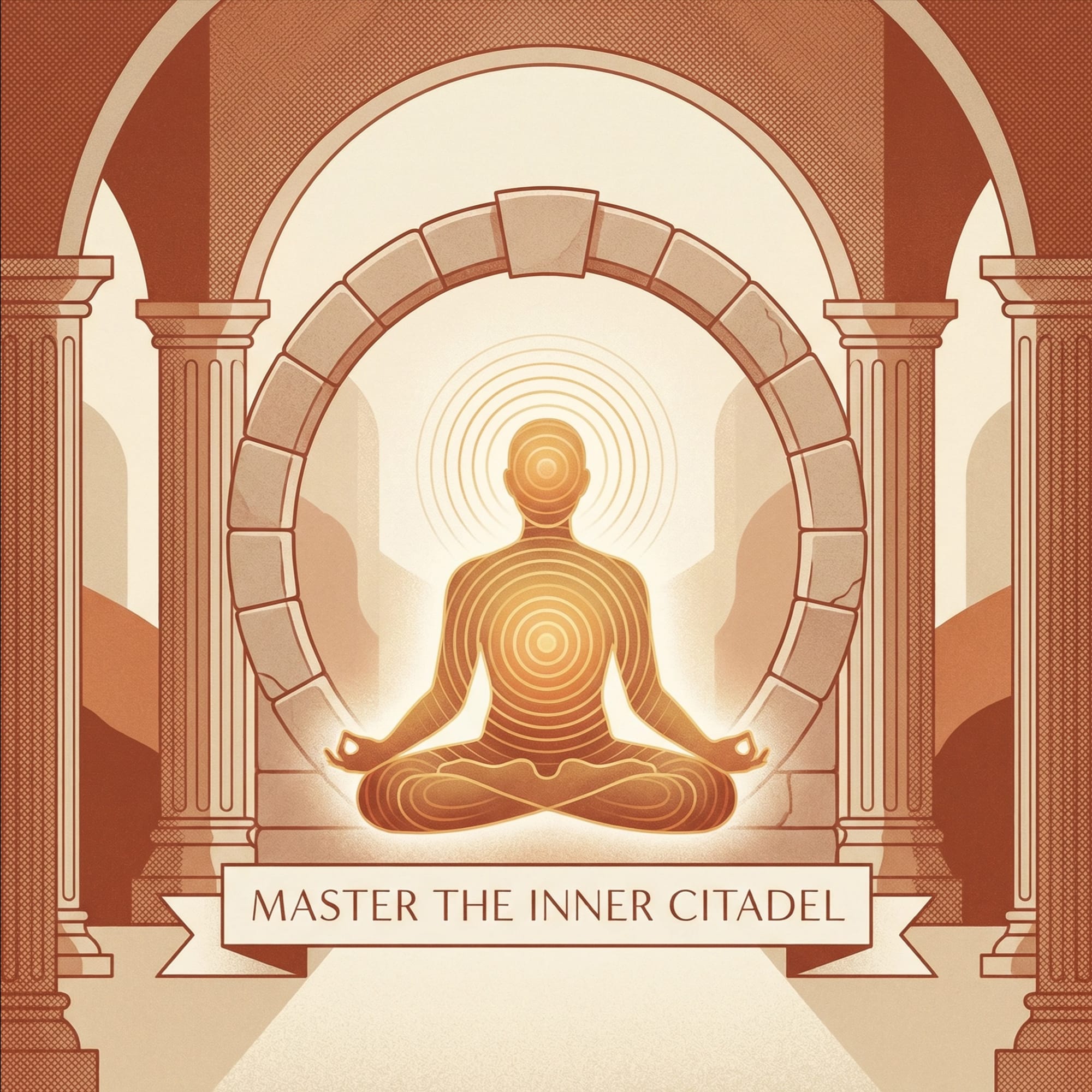
The Stoics built their entire philosophy on one foundational insight: some things are in our power, and some are not. Our thoughts, intentions, efforts, and values are ours. Everything else — wealth, reputation, the opinions of others, the outcomes of events — is not.
When we confuse what is ours with what is not, we become slaves to circumstance. When we reclaim our inner territory, we become truly free.
This is your inner citadel — the one place no external force can reach.
"You have power over your mind — not outside events. Realize this, and you will find strength."
— Marcus Aurelius
The practice: When something frustrates you today, pause for five seconds before reacting. Ask: What is my best response here? That pause is the whole principle in action.
Principle 2 — The Daily Audit of Self
Reflect daily on your actions, intentions, and alignment with your values.

The daily audit is not about perfection — it's about awareness. Each honest reflection strengthens your capacity to live intentionally.
Marcus Aurelius kept his Meditations as a private daily self-examination. Epictetus taught his students to review each evening what they had done well, where they had fallen short, and what they would do differently. This practice is not self-criticism — it is self-knowledge. And self-knowledge is the foundation of every meaningful change.
"First say to yourself what you would be; and then do what you have to do."
— Epictetus
The practice: Three questions before sleep. Where did I act in alignment with my values? Where did I fall short? What's the one thing I'd do differently? Five minutes. That's the whole audit.
Principle 3 — The Hierarchy of Value
Distinguish between what truly matters and what merely distracts.
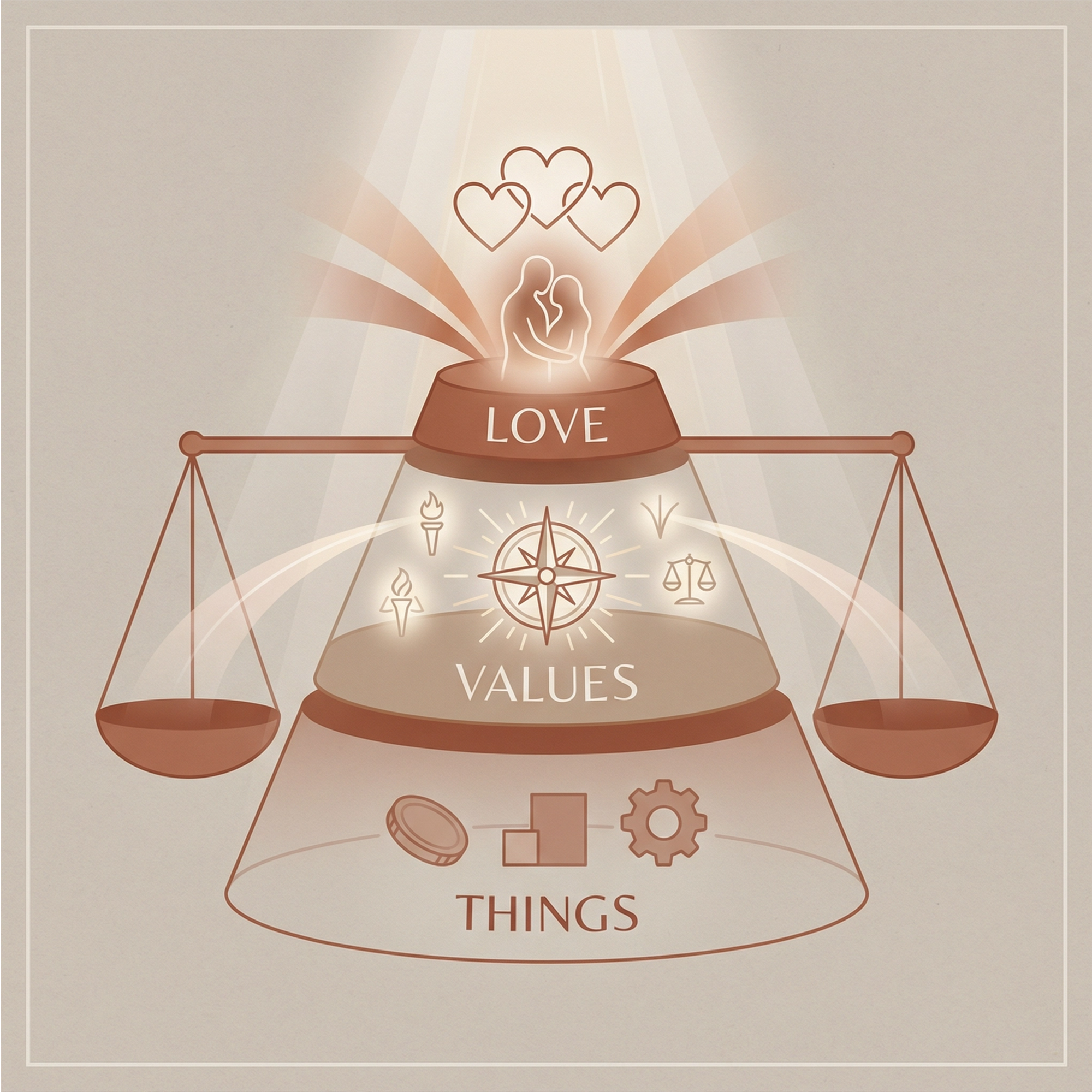
Without a clear hierarchy of values, we are at the mercy of every demand, distraction, and urgency that crosses our path. The Stoics distinguished between things of genuine value — virtue, wisdom, meaningful relationships — and things of lesser value: status, comfort, approval.
This distinction is not about rejecting the world. It is about seeing it clearly. When you know what you value most, every decision becomes simpler. You stop being reactive and start being intentional.
"Make the best use of what is in your power, and take the rest as it happens."
— Epictetus
The practice: Write your top five values. Then track how you actually spent yesterday. The gap between the two lists is the work.
Principle 4 — The Momentum of Small Habits
Recognize that lasting change emerges from consistent, small actions.

The Stoics knew that philosophy is not mere theory — it's a practice. Just as an athlete builds strength through daily training, we build character through consistent habits. Small actions compound over time. A ten-minute daily reflection becomes profound wisdom over months. A daily walk becomes vibrant health over years.
This principle doesn't demand transformation. It demands one small action today, and then again tomorrow.
"Well-being is achieved by human beings through some kind of excellence, and that excellence comes through habit."
— Aristotle (Stoic influence)
The practice: Choose one small habit this week. Attach it to something you already do: after morning coffee, before dinner, at the first moment of quiet. Track it for 21 days. Notice what compounds.
Principle 5 — The Urgency of Action
Don't defer meaningful action. Move from comfort of theory and get actively involved.

The Stoics were not passive philosophers. They emphasized that wisdom without action is empty. Epictetus taught that we must take responsibility for our lives. Seneca warned against endless study without practice.
This principle cuts through procrastination and perfectionism. The time to begin is now. Your life is not a rehearsal.
"Waste no more time arguing what a good man should be. Be one."
— Marcus Aurelius
The practice: What meaningful action have you been postponing? What's one small step you can take today — not tomorrow, today? Write it down. Then do it.
A Living Philosophy
These principles are not meant to be read and forgotten. They are a living philosophy — a guide for daily reflection and intentional action.
Each week, the Weekly Spotlight explores one of these principles in depth: a deeper insight, three practical exercises, and a reflection prompt to carry through your week.
If you want to start somewhere: pick one principle. The one that made you pause. Commit to it for seven days. See what shifts.
That's how philosophy becomes practice.
Explore the Weekly Spotlight for practical exercises on each principle.